I went to Kamikatsu (again!)
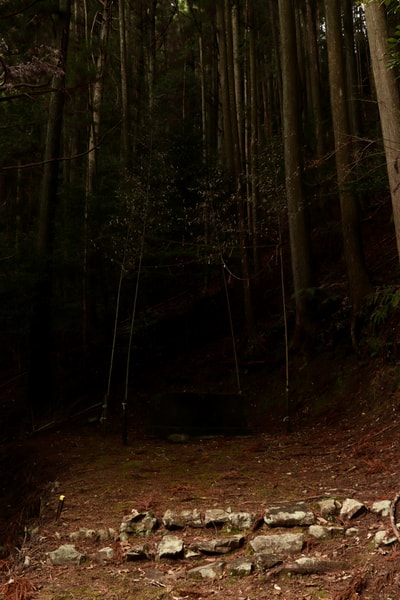
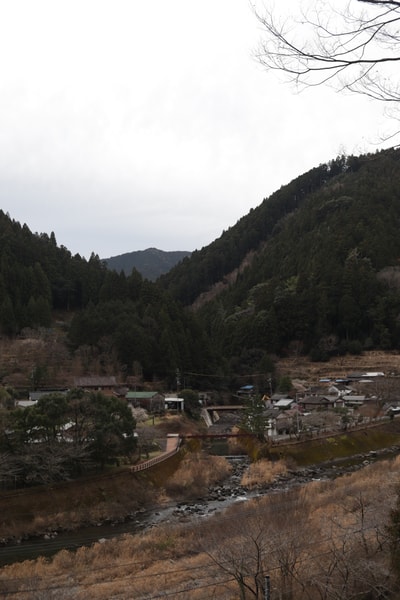
I had the opportunity to go to the small town of Kamikatsu in the mountains of Tokushima last month. I had suggested the two-day trip as part of the research leg for a design project on new recycling practices.
The topic was inspiring, and there was a lot of good food for thought on the design process as well. The trip was a succes. Not least due to the collaboration with INOW, whom I’m grateful I could reach out to. Their logistical support, meeting facilitation and generous sharing of insights took the trip to a whole new level.
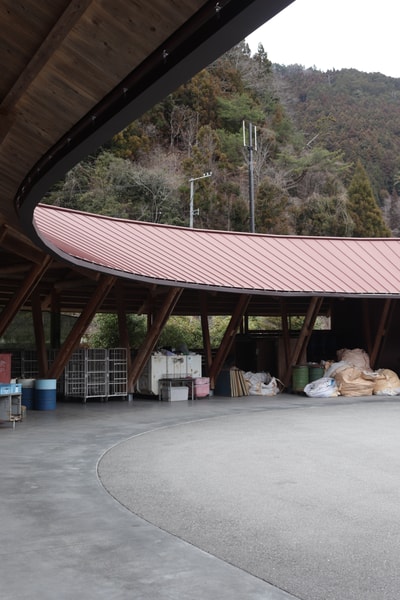
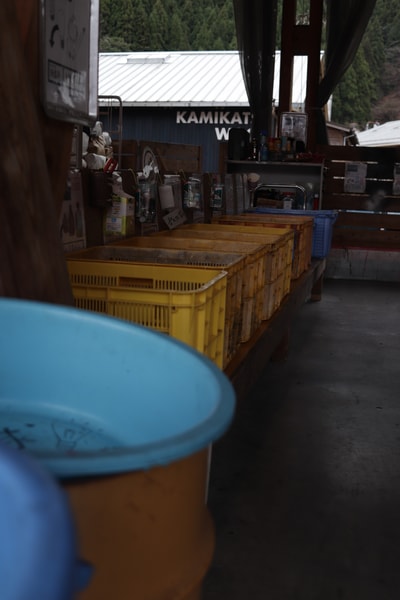
Kamikatsu village is known as a self-declared zero-waste village, and it feels very much like a living experiment in what it takes to achieve this. People carry their trash to a central facility, where a team of staff help with sorting and recycling if needed.
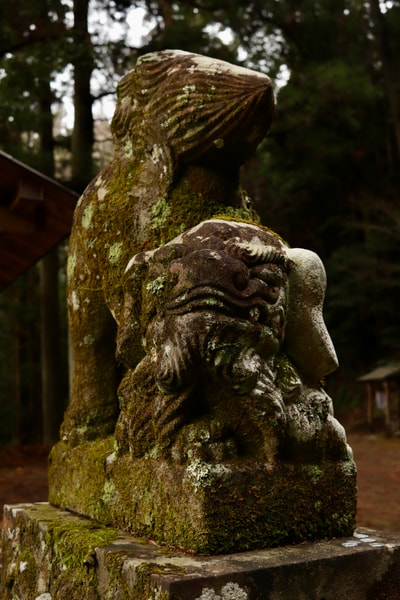
We learned a lot about the history of the place, and the policy decisions that went into pushing the village in a new direction. But through a workshop with citizens we also heard from both long-time residents and new-comers, about how it feels for them to live in a place where trash, recycling and sustainability take up a central role in everyday life. “As with most things, you get used to it”, they said. But it is interesting to note that not all residents are totally on board with the branding. More than half of residents are actively standing behind the policies and the branding, but there remains some detractors, to whom the inconvenience weighs heavier.
The policy and service aspects of how Kamikatsu managed to get to where they are, through clever use of branding, incentives, public-private partnerships and good spirits, is of course exciting in and of themselves. But I’m particularly interested in what lies ahead in the sense of achieving a society and way of life which simply generates less trash to begin with. This is very much a cultural and aesthetic endeavor. It is about proliferating a different taste or sensibility. It is a necessary challenge to take on, because we have to recalibrate how we achieve well-being, with the world we have. It is absolutely possible, but it will be difficult.
I’m exploring this theme both professionally and personally, and I am absolutely awestruck when I come across the people who make it work. Will post more in this direction. Check out Synean’s blog for a longer write-up of project reflections.
I can wholeheartedly recommend Kana from INOW’s blog on Substack (Tending Gardens) for beautiful words about local customs and sustainability in practice as well as pictures of Kamikatsu throughout the seasons.